-
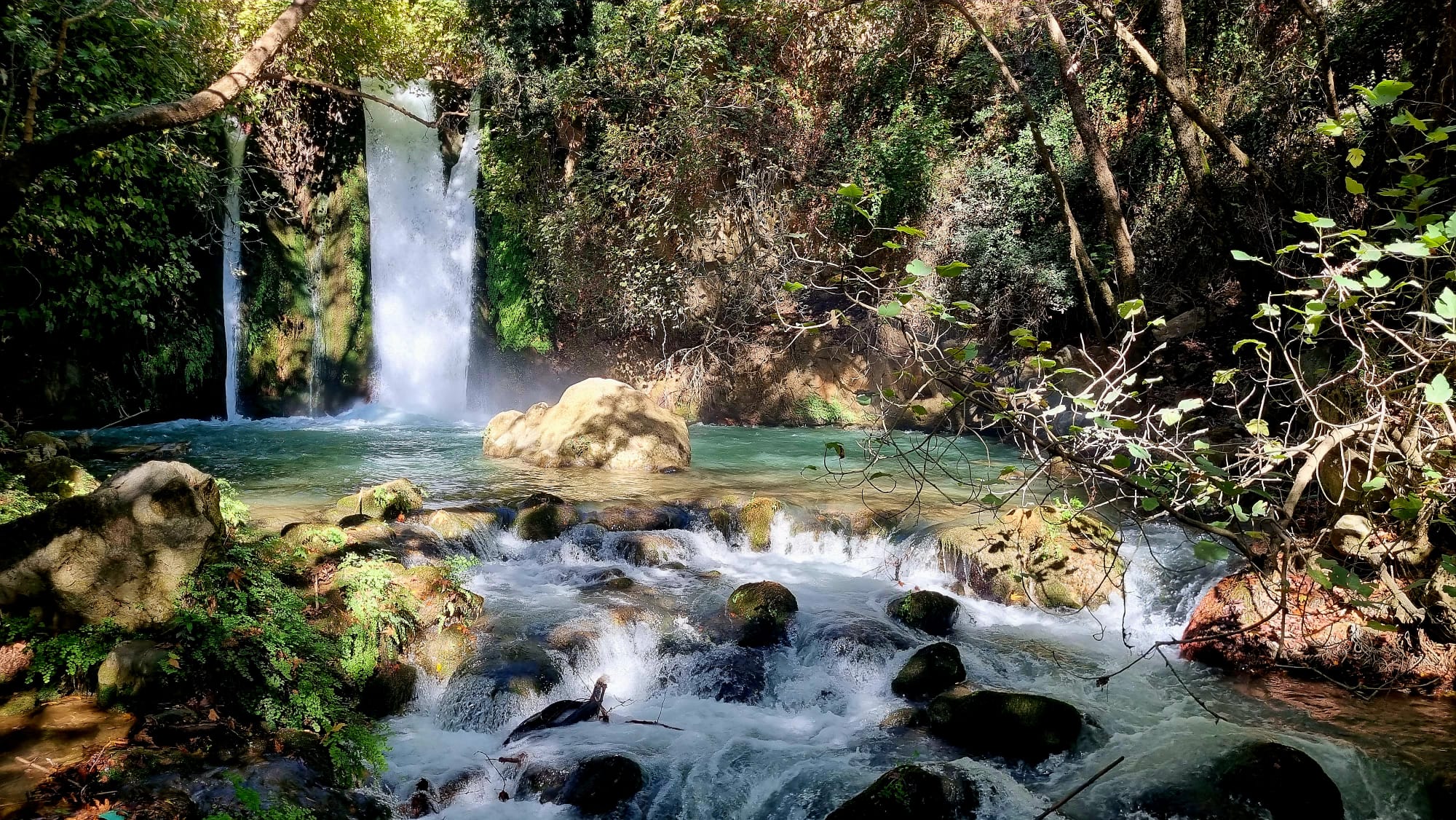 Banias Archaeological Site
An archaeological site and nature reserve in the Golan Heights, famous for its sanctuary dedicated to the god Pan, Greco-Roman ruins, and the spring that feeds the Jordan River.
Banias is not only a nature reserve but also an archaeological site preserving the remains of a Hellenistic city. Here you’ll find the temple of Pan, god of nature and fertility—hence the name. The name Banias comes from the Greek god Pan (Παν), known in Arabic as "Banyas" (بانياس) and in Hebrew as "Banias" (בניאס). In the 3rd century CE, a synagogue was built here and still stands today. Its floor features a phenomenal mosaic with Aramaic inscriptions thanking donors and depicting key biblical events. What makes this mosaic unique is the zodiac wheel with Helios, the sun god, at its center. During Roman times, the city was renamed Caesarea Philippi in honor of the Roman emperor and the tetrarch Philip, son of Herod the Great. According to the New Testament, Jesus met his disciples here and affirmed Simon as the "rock" (hence the name Peter, קיפא = Kaifa = Rock in Aramaic) upon which his church would be built.
Matthew 16:13–20
-
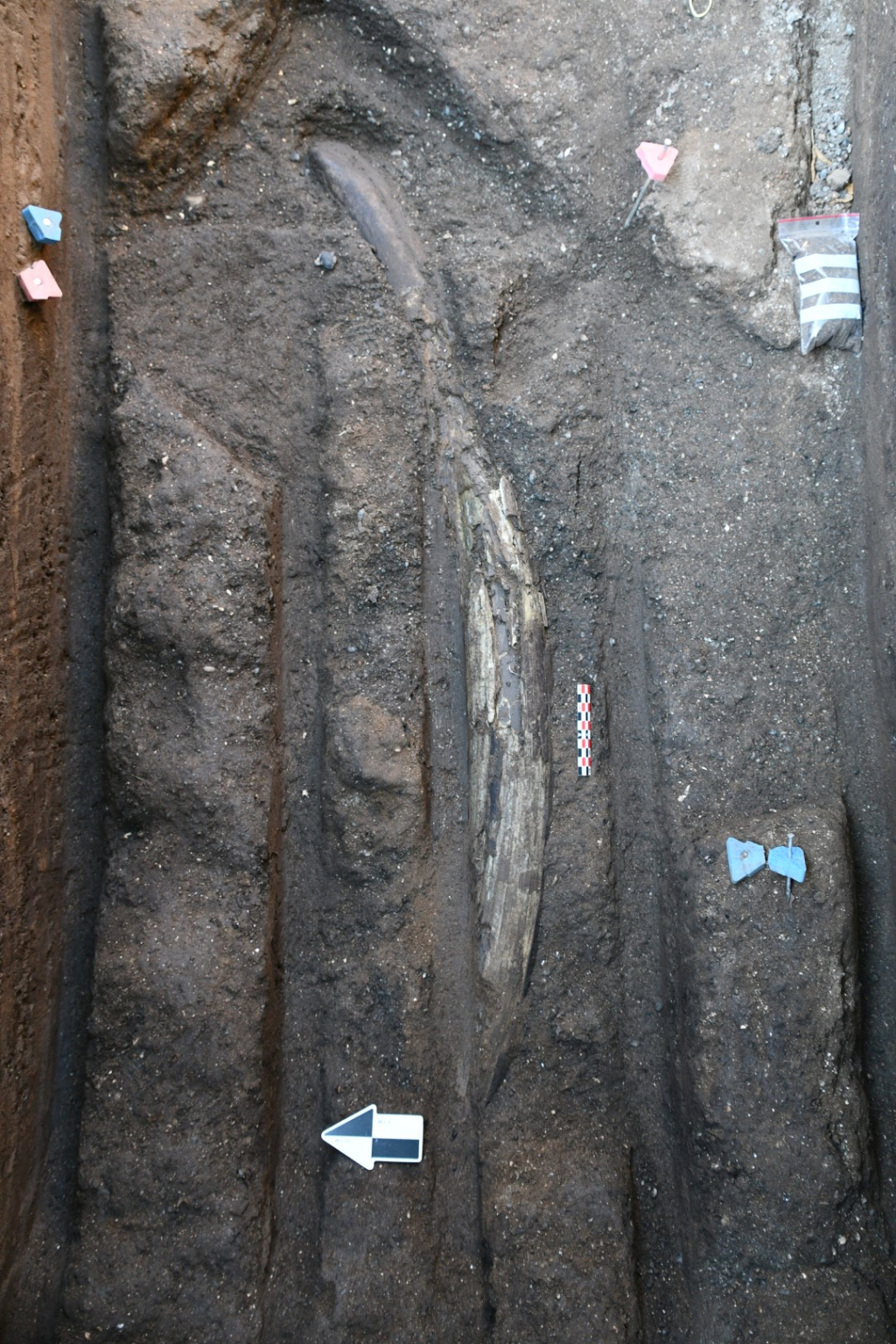 Gesher Bnot Yaakov
A unique site where remains from the Lower Paleolithic period (the beginning of the Stone Age) were discovered.
Dating back approximately 700,000 years, this site revealed remarkable finds including elephant tusks and other prehistoric artifacts.
-
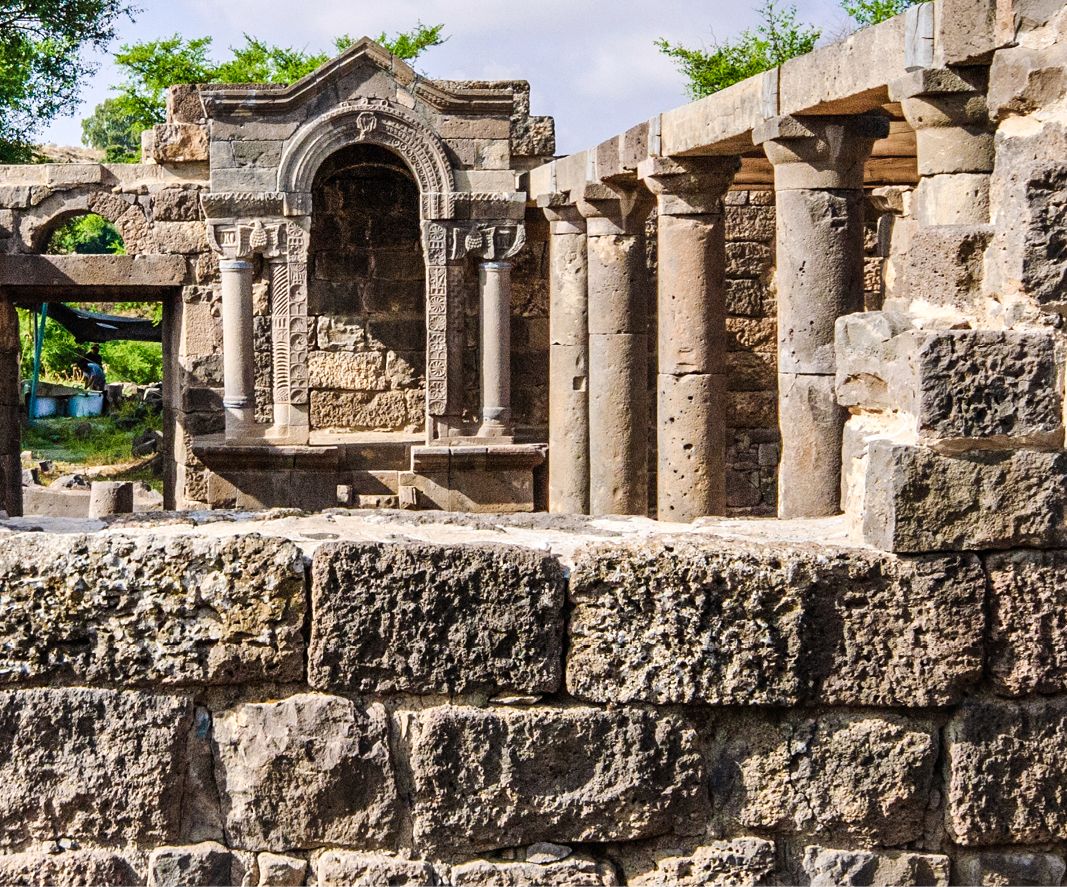 Ein Kshatot – Spring of the Arches
A synagogue from the Mishnaic and Talmudic period (200–400 CE).
This unique site, known as the Spring of the Arches (עין קשתות in Hebrew = Ein Kshatot, أم القناطر in Arabic = Um el-Kanatir), features one of the best-preserved ancient synagogues from the Mishnaic and Talmudic era. Originally just a pile of stones, each was tagged with a microchip and reassembled using modern technology. The result: a splendid synagogue with preserved details, including the niche where Torah scrolls were kept (היכלית = Heichalit). The name Ein Kshatot comes from a nearby Jewish industrial site likely from the same period, where linen was processed and bleached. Clean water was essential, and the arches were built to channel mineral-rich water from volcanic stones into the spring.
-
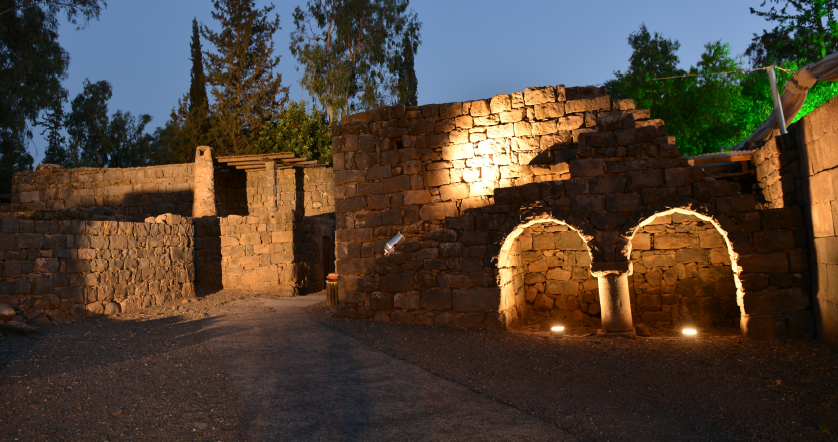 Katzrin
An ancient Jewish village from the Mishnaic and Talmudic period (200–400 CE).
This ancient village features remains of a synagogue, homes, and an olive press. The synagogue is notable for its Aramaic and Hebrew inscriptions, offering insights into daily life and religious practices of the time. The site also includes an open-air museum showcasing life in the Golan during the Mishnaic and Talmudic period. Some structures have been reconstructed to give visitors a more immersive experience, allowing them to walk through the village and see how people lived over 1,500 years ago.
-
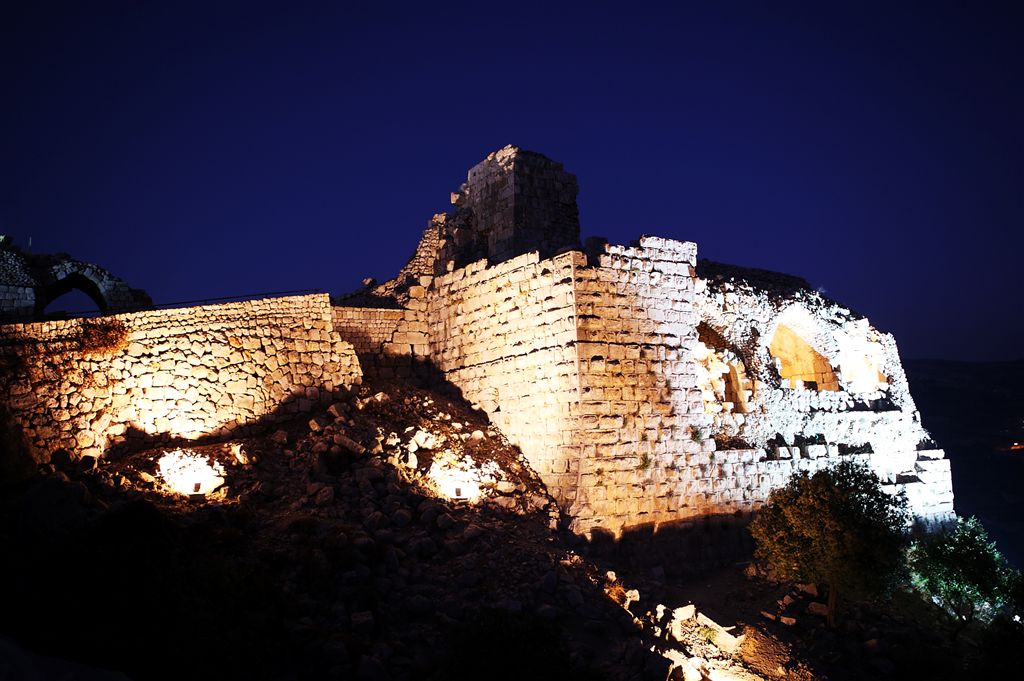 Nimrod Fortress
A fortress built by the Ayyubids in the 13th century.
This fortress was built in the 13th century by El-Malek El-Muathem Isa to prevent a possible Crusader incursion from the north and to defend against his brother Al-Malik Al-Kamel.
Mamluk Period: Under the rule of Sultan Baibars, the fortress was expanded and, according to inscriptions found on-site, handed over to his aide Bilik.