-
Historia
In the 16th century, the Ottoman Empire conquered Acre and turned it into an important port city and administrative center. In the 18th century, Acre was ruled by the autonomous (non-Ottoman) governor T'aher al-Omar (ظاهر العمر), who also founded the city of Haifa and invited Jews to settle in Tiberias. After his death, his successor Ahmed Pasha El-Jazzar (أحمد الجزار, "Ahmed the Butcher" due to his cruelty and practice of punishing rebels through mutilation) governed under Ottoman rule. In 1799, Napoleon Bonaparte invaded the Land of Israel. Despite his military successes, he was forced to retreat when he encountered the formidable walls built by El-Jazzar. Under El-Jazzar’s rule, Acre became the capital of the Ottoman province of Sidon. The city experienced economic and cultural growth, and many significant buildings and fortifications were constructed—many of which can still be seen today.
-
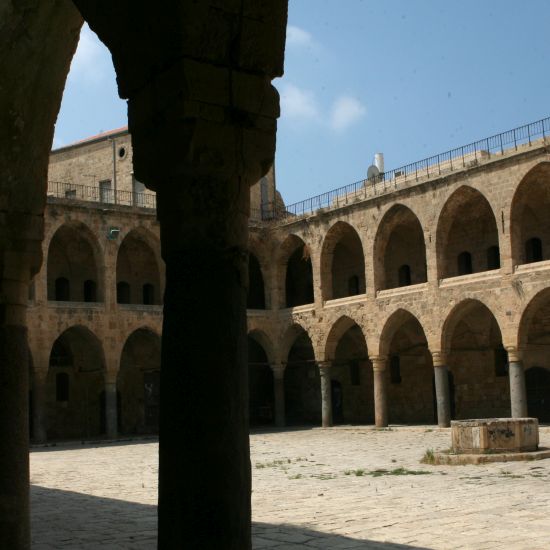 Han El-Umdan
Ottoman-era caravanserai.
This han (caravanserai) was built in the 18th century by the Ottomans to serve as a resting place and lodging for merchants and travelers arriving in Acre. The Arabic word "Han" (خان) means inn, and this one was named Han El-Umdan (خان العمدان – Inn of the Pillars). It is a fine example of Ottoman architecture, featuring a central courtyard surrounded by rooms and shops. A notable feature is the clock tower built above it, constructed in honor of Sultan Abdul Hamid II’s 25th year of reign.
-
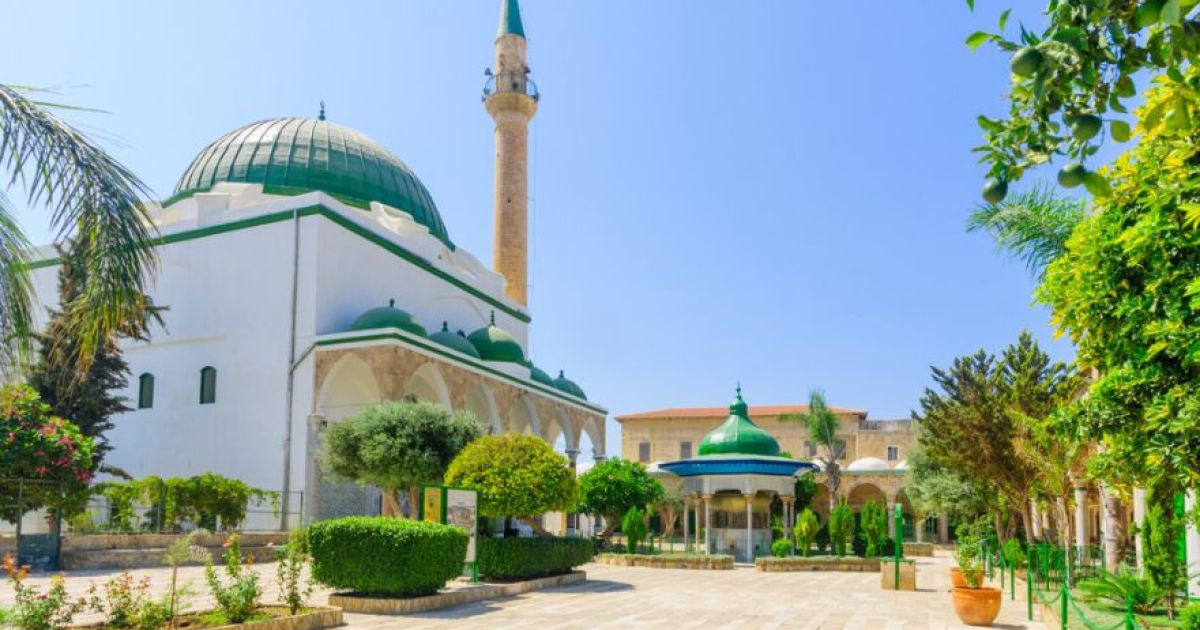 El-Jazzar Mosque
Mosque founded in the 18th century by Sultan El-Jazzar.
This mosque was built in 1781 by Ottoman Sultan Ahmed Pasha El-Jazzar, the governor of Acre known for his resistance against Napoleon Bonaparte. El-Jazzar, whose name means "the Butcher" (الجزار), earned his nickname due to his harsh methods of maintaining order, including mutilation. Devout Muslims believe that a hair from the beard of Prophet Muhammad is preserved in this mosque.
-
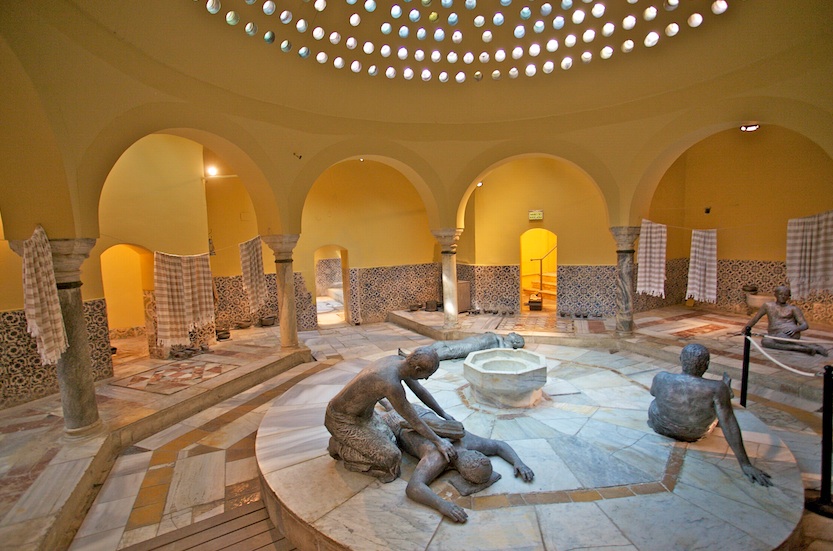 Hammam El-Basha
Public baths from the Ottoman era.
These public baths were built in the 18th century by Ahmed Pasha El-Jazzar and bear his name (note that "Pasha" is pronounced "Basha" in Arabic). Hammams (حمام in Arabic) were central to Ottoman culture, serving as places for socializing, relaxation, and purification.