-
Historia
The Land of Israel, conquered by the Turks in the 16th century, underwent a radical transformation between 1831 and 1840 when Egypt took control of the region. Egypt showed interest in attracting European powers, initiating an openness that the Ottoman Empire had failed to implement. When Turkey regained control in 1840, it realized that "the train had already left the station," and the only option left was to maintain a policy of openness.
Prussia and England assisted the Ottoman Empire in regaining power, and one commonality between both nations was their Protestant faith. For this reason, they demanded that the Ottoman Sultan allow the establishment of a Protestant representation alongside the existing Christian one. The first Protestant presence was established near the Jaffa Gate in Jerusalem, and it was only in 1868 that the Protestant Templers arrived in the Land of Israel, first in Haifa and Jaffa, and later in 1873 in Jerusalem, specifically in the Valley of the Ghosts.
The Templers: Although their name might be confused with the Crusader Templars, the Templers were a group originating from southern Germany, inspired by the ideas of Christoph Hoffmann and Georg Hardegg. They founded a Protestant school of thought that believed "the temple" resides within each individual, making the construction of churches unnecessary for prayer. This movement was persecuted by mainstream Protestantism, prompting them to seek refuge in a place aligned with their faith: the Holy Land.
The Protestant settlement flourished until the arrival of the British Mandate, when most residents were expelled for belonging to an enemy nation. A few years later, many returned to their homes in the Holy Land.
In the 1930s, with the rise of Nazism in Germany, many residents, now the second generation of those pioneers, joined the Nazi Party. This led the British Mandate to expel them permanently, sending them to Australia.
Today, the settlement has become a residential neighborhood in Jerusalem, and the remaining buildings stand as witnesses to the history of the Templers and their influence on the city. -
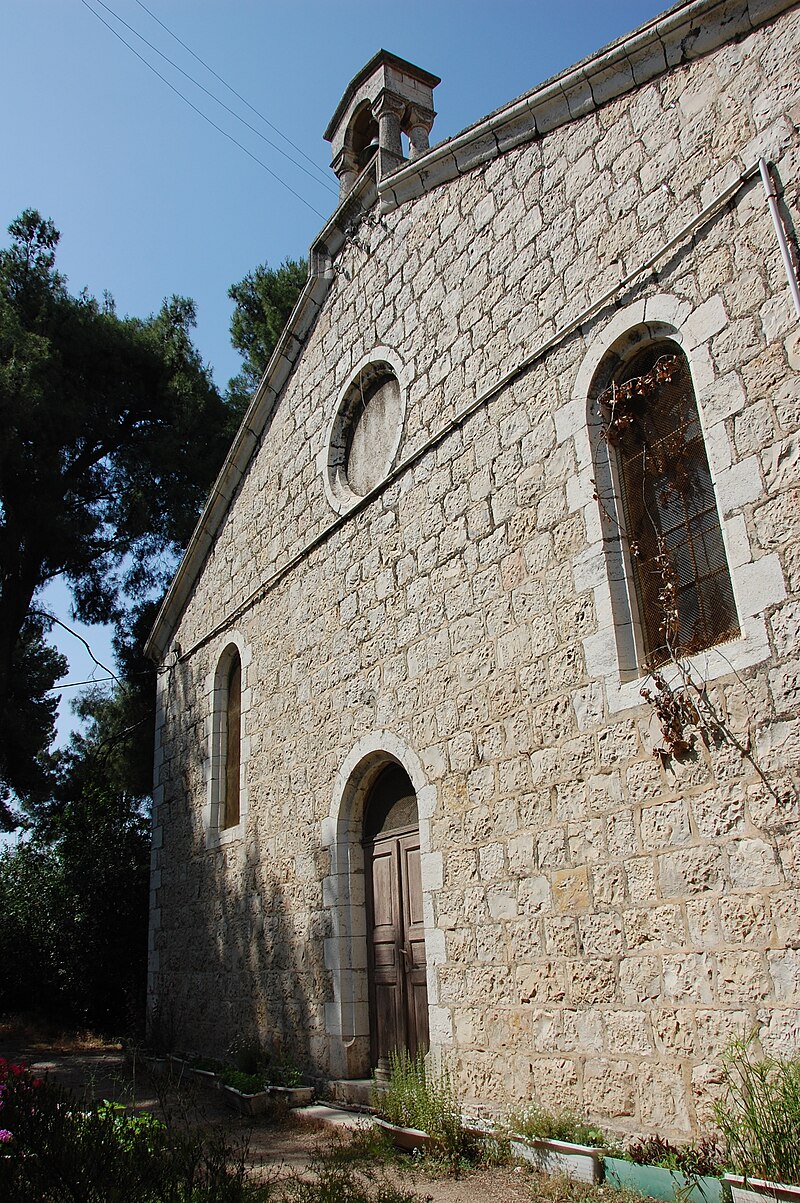 The People’s House:
The essence of the Templers was not to have a specific place for prayer...
The essence of the Templers was not to have a specific place for prayer, as they believed the temple resided within each individual. This place was not a site for worship, but for gathering. After work or communal meetings, they would come together here. On Sunday mornings, they gathered to hear the pastor’s sermon or sing liturgical songs.
Armenian Church: Today, the Hashkar cross of the Armenian Christian congregation can be seen on the roof of this house, indicating that it currently serves as an Armenian church, although it is not in use. -
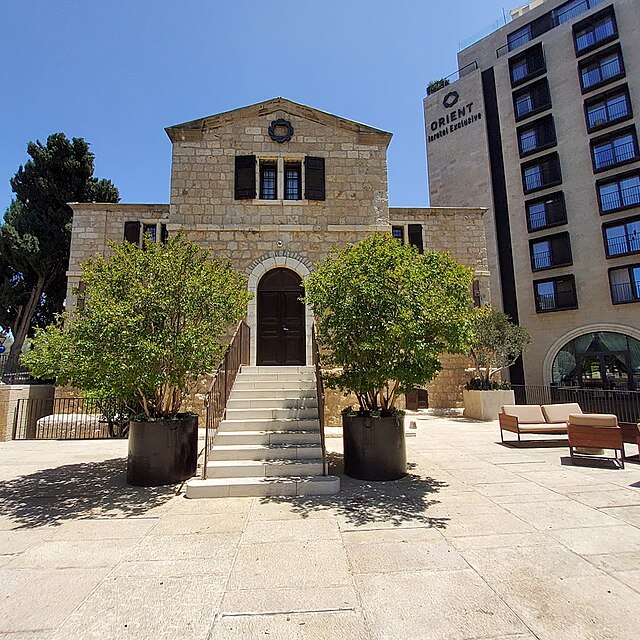 The New Lyceum:
Templer school, founded in the late 19th century as an expansion of the old lyceum...
Templer school, founded in the late 19th century as an expansion of the old lyceum. This new building was constructed to accommodate the growing Templer community in Jerusalem and the need for a more structured education for their children. The lyceum offered a modern academic curriculum for its time, emphasizing sciences, languages, and community values. Although it did not include formal religious instruction, it reflected the Templer principles of discipline, self-sufficiency, and connection to the Holy Land.
-
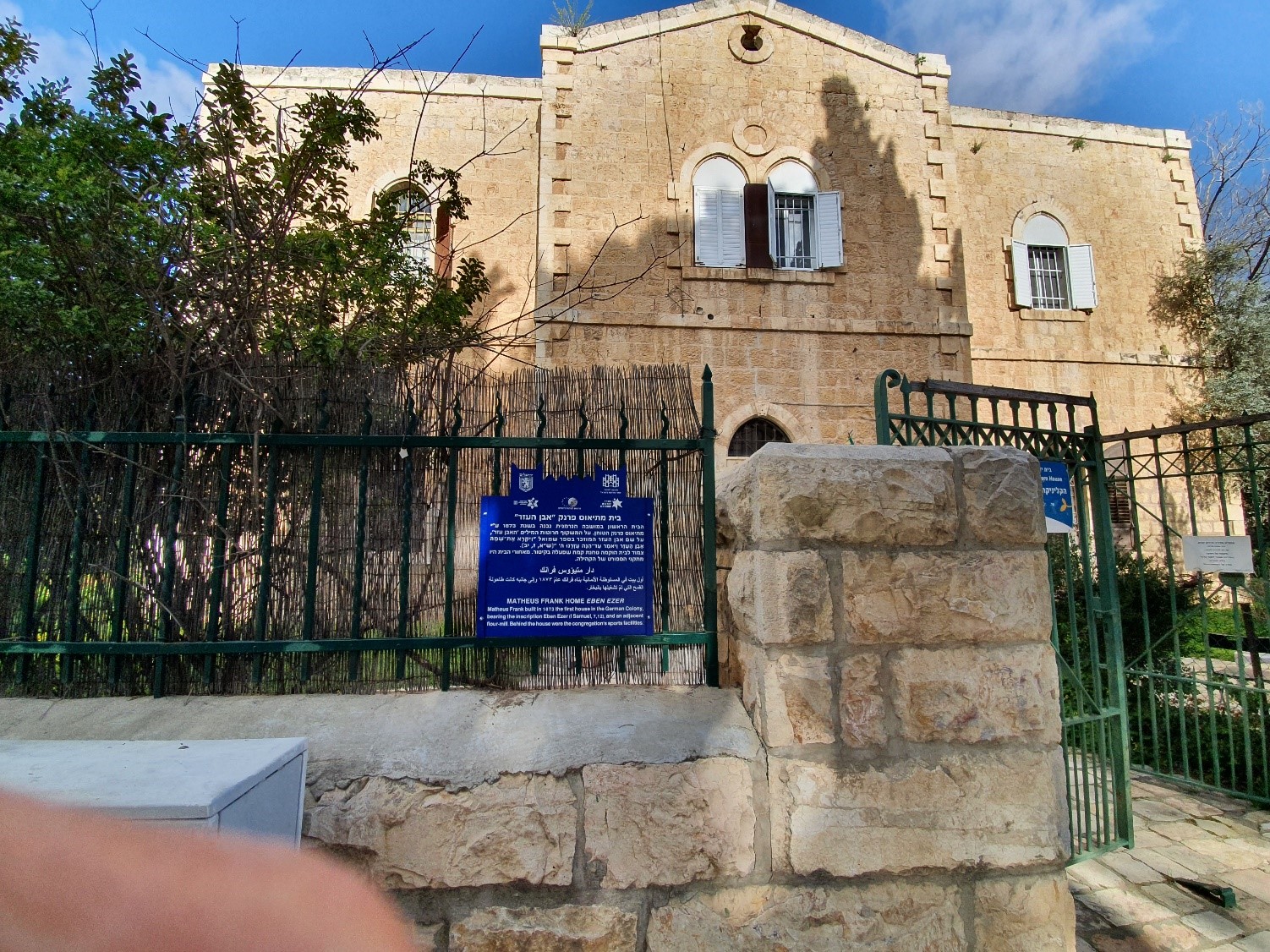 Matthaus Frank’s House:
The first house founded in the Valley of the Ghosts.
This house belonged to miller Matthaus Frank, who came to these lands to purchase property on behalf of his father-in-law, a Protestant idealist. Although his father-in-law passed away before seeing his vision realized, Matthaus carried out the project and established the first steam-powered mill and a bakery here, essential for the Templer community’s self-sufficiency.
Frank named his house "Eben Ezer" (אבן עזר in hebrew), meaning "the stone of help," referring to the place mentioned in the Book of 1 Samuel 7:12, where the people of Israel defeated the Philistines. The verse reads:
“Then Samuel took a stone, placed it between Mizpah and Shen, and named it Eben Ezer, saying, ‘Thus far the Lord has helped us.’”
This house not only marks the beginning of the Templer settlement in the area but also embodies the pioneering, practical, and deeply spiritual spirit of its founders. -
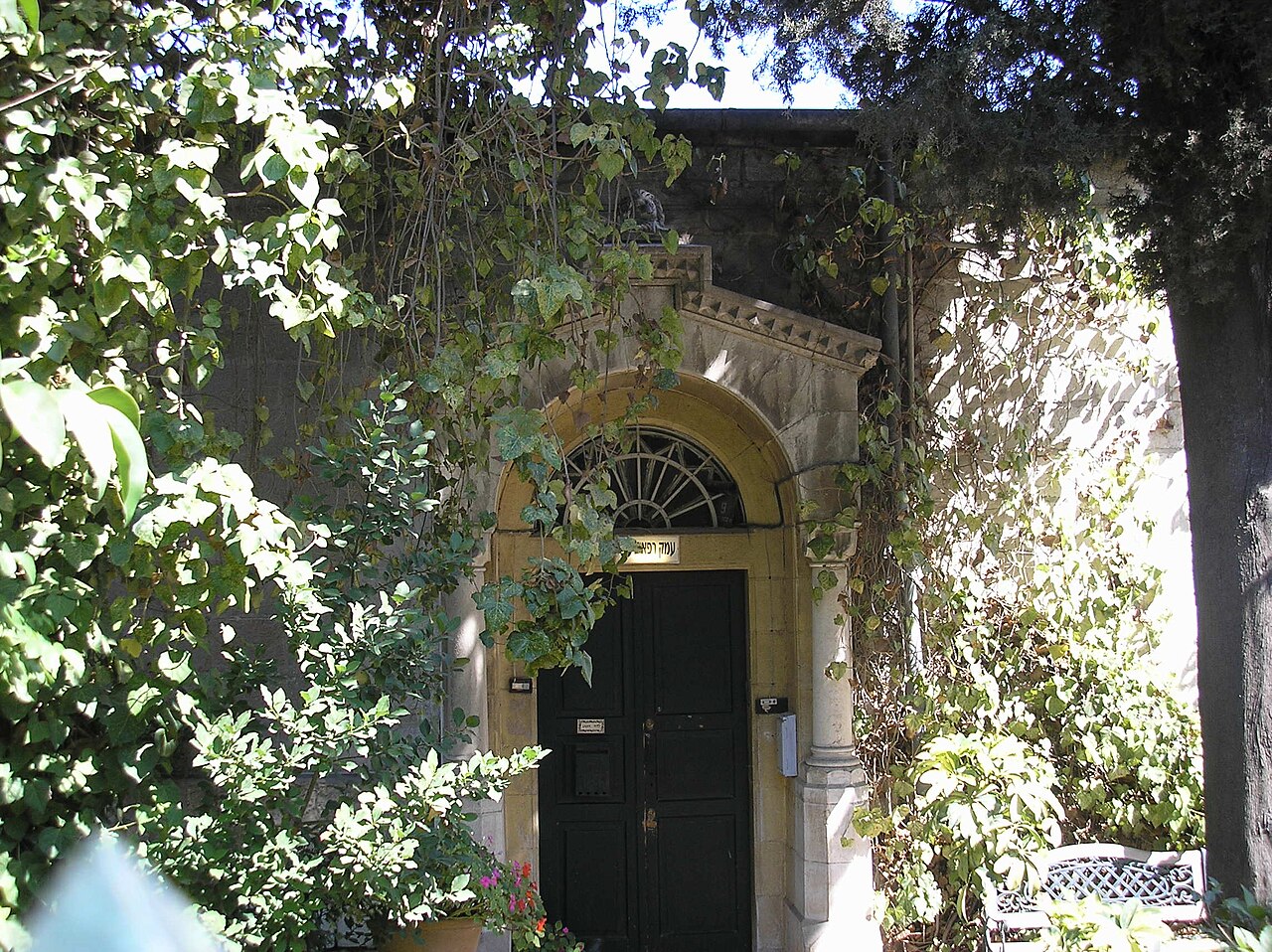 Theodor Sendel’s House:
Theodor Sendel was a prominent architect involved in major infrastructure projects...
Theodor Sendel was a prominent architect involved in major infrastructure projects in the Holy Land. Among his most notable contributions were the planning of the road from Jaffa to Jerusalem and his collaboration on the Dormition Abbey project with renowned architect Conrad Schick.
Sendel also participated in other urban and religious projects that shaped Jerusalem’s landscape in the late 19th and early 20th centuries. His approach combined European techniques with local sensitivity, allowing him to create functional and aesthetically integrated structures within the city’s historic environment.
The house he built in the Valley of the Ghosts was one of the first buildings in the Templer settlement and reflects both his architectural vision and the pioneering spirit of the German Protestant community. -
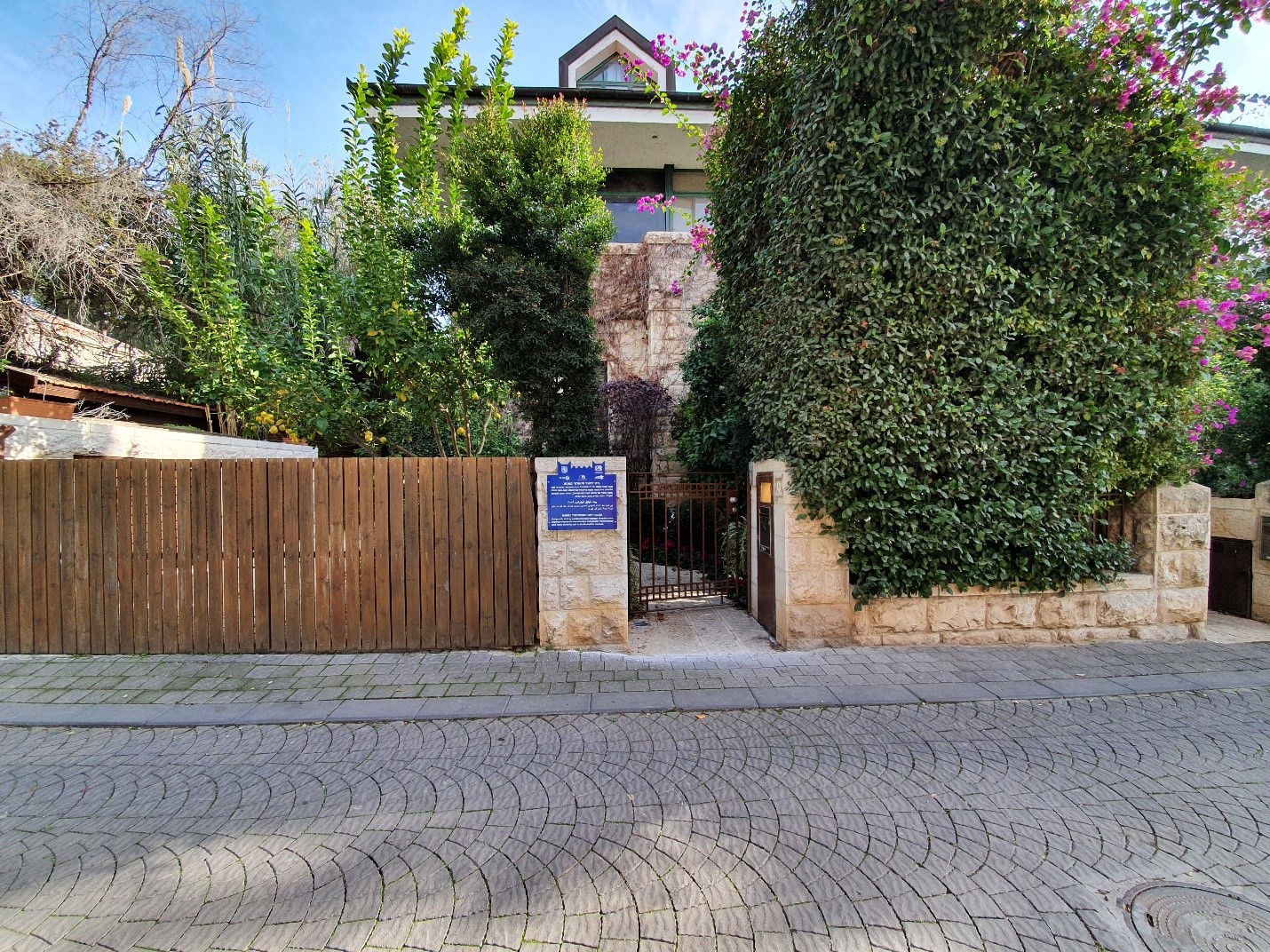 Theodor Fast’s House:
This house was home to Theodor Fast, son of Abraham Fast, owner of the renowned Fast Hotel...
This house was home to Theodor Fast, son of Abraham Fast, owner of the renowned Fast Hotel in Jerusalem. Theodor worked for the company responsible for building the railway connecting Jaffa to Jerusalem, a key development for the region in the 19th century.
He also taught about the Land of Israel at the Templer school, where he instructed students in geography, history, and spirituality related to the Holy Land, shaping the next generation of Templer settlers.
World War II: During the war, Theodor Fast was expelled to Australia by the British Mandate authorities, like many other Templer residents, due to his German nationality.