-
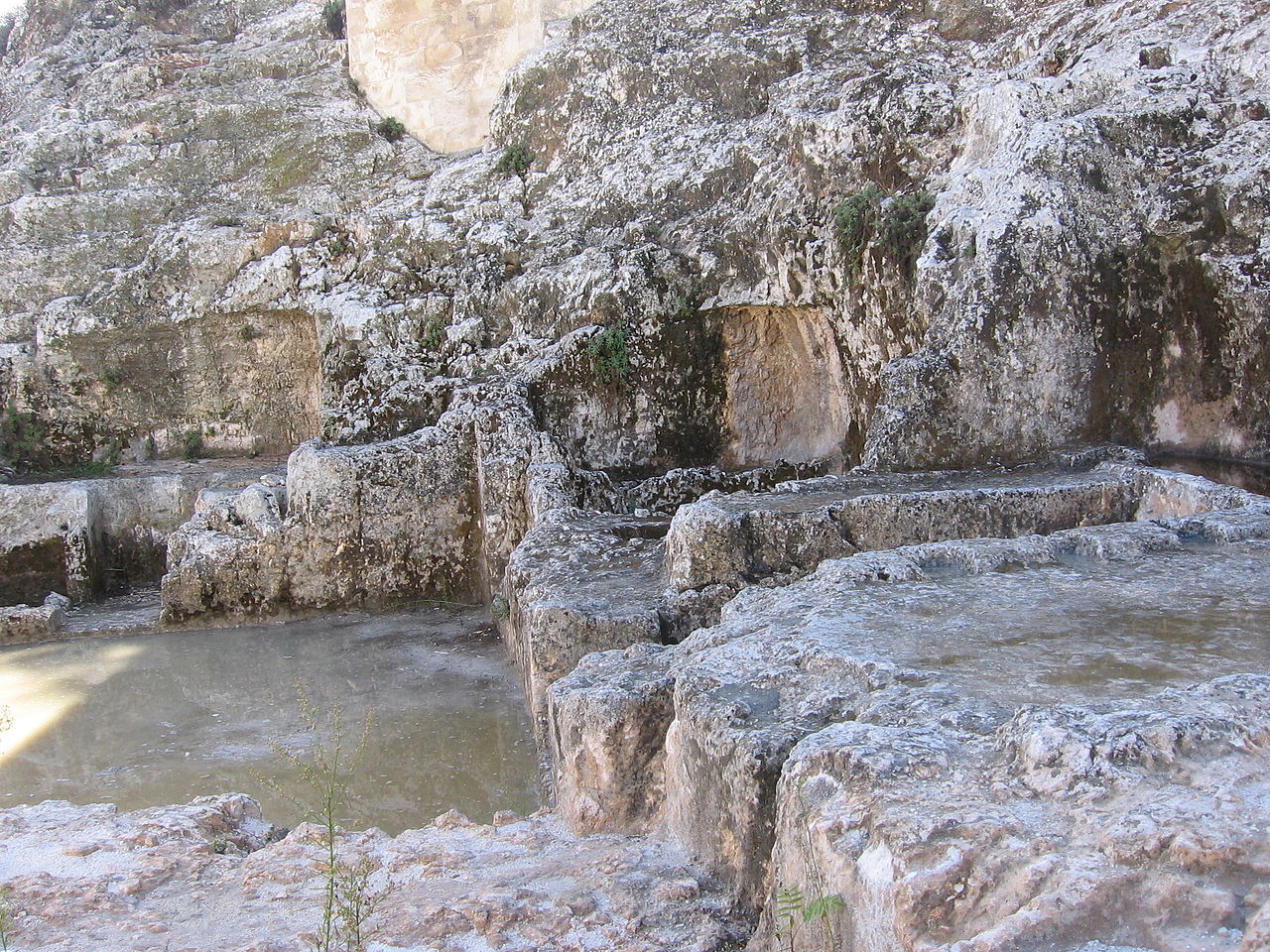 Ketef Hinnom Tombs from the First Temple Period:
Limestone tombs in Jerusalem dating back to the First Temple period.
A fascinating archaeological discovery south of Jerusalem, where the oldest known inscriptions of the Hebrew Bible were found, dated over 2,600 years old. Although most tombs were looted by treasure hunters, one collapsed tomb preserved a small scroll inside a pendant containing the Birkhat HaKohanim (ברכת הכונהים in Hebrew), which is a ancient biblical blessing kept as a part of the Priests blessing until the present day.
Numbers 6:22
-
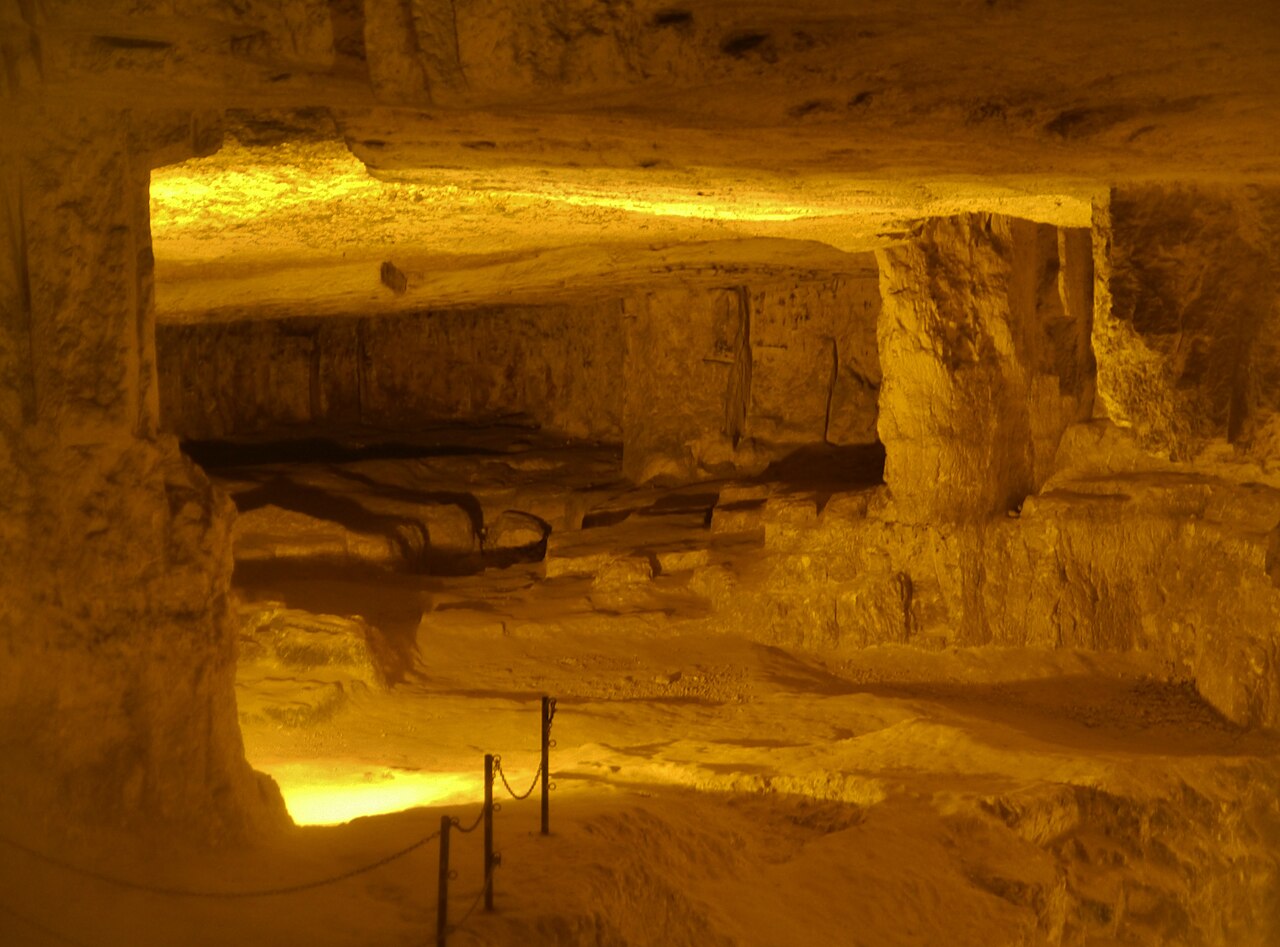 King Zedekiah’s Cave:
Quarries used during the First and Second Temple periods in Jerusalem.
Also known as Solomon’s Quarries, this vast underground cave was used in ancient times to extract stones for the First Temple and other city monuments. Named after King Zedekiah (צדקיהו Tzidkiahu), the last king of Judah, who attempted to escape the Babylonians through this cave but was captured at its entrance. There, the Babylonians killed his sons. Tradition says Zedekiah wept not only for his sons but for the fall of Jerusalem.
Jeremiah 52
-
.jpg) King Hezekiah’s Wall:
King Hezekiah’s Wall:A wall built by King Hezekiah during the First Temple period in Jerusalem.
During the Assyrian siege of the Kingdom of Israel, when it was separated from the Kingdom of Judah, King Hezekiah (חזקיהו Hezkiahu) of Judah fortified Jerusalem to prevent an Assyrian attack in the 8th century BCE. This section of the massive wall extended to the southern edge of the City of David.
2 Chronicles 32:5
-
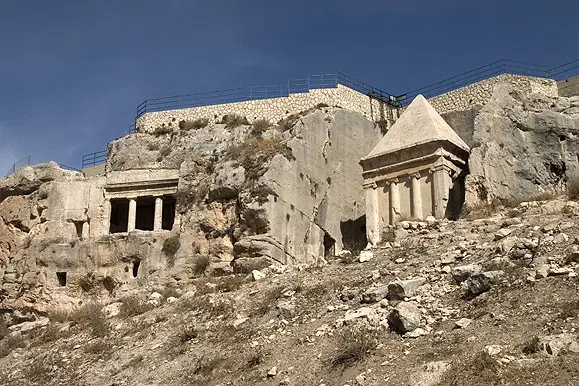 Tombs of the Kidron Valley:
Tombs from the Second Temple period located along the Kidron River.
A series of tombs, including the first, “Absalom’s Tomb”, which might suggest a First Temple origin, but its architectural style indicates it was built during the Second Temple period. Some scholars link it to King Agrippa, grandson of Herod; others believe it was a reconstruction of Absalom’s tomb from the Second Temple era.
The next tomb, equally impressive, bears the inscription of the priestly family Bnei Hezir.
The third tomb, attributed to the priest Zechariah ben Jehoiada, who was murdered in the Temple for rebuking the people and leaders, as told in the Second Book of Chronicles. His tragic fate made him a symbol of justice and faithfulness to God. -
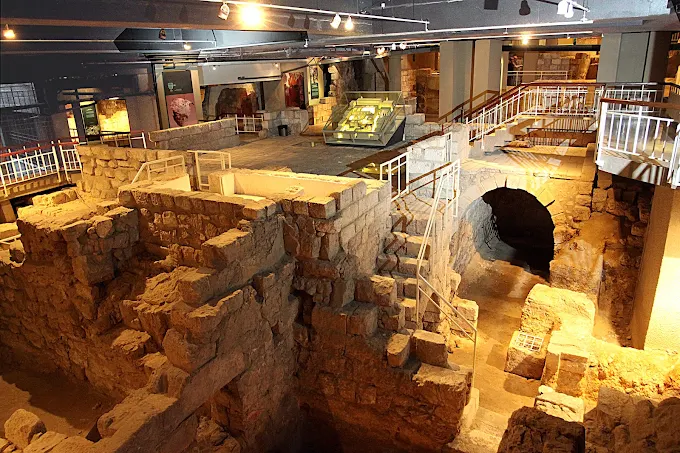 Wohl Archaeological Museum – The Herodian Quarter:
An elite residential area from the Second Temple period showing destruction from 70 CE.
An archaeological museum showcasing the remains of an elite residential district where priests and high officials lived during King Herod’s reign.
-
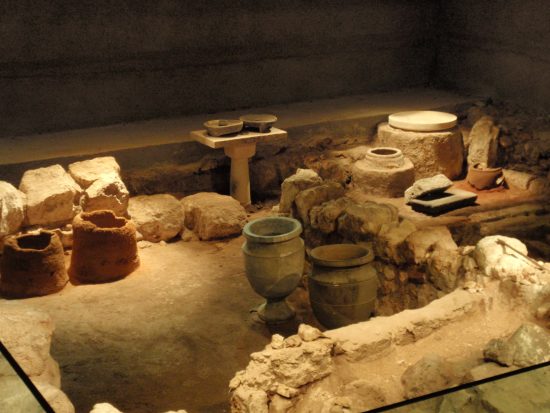 The Burnt House of Katros:
Home of the family of Priests (כוהנים = in hebrew Kohanim) Katros, destroyed during the fall of Jerusalem in 70 CE.
This archaeological museum reveals the remains of a first-century CE home destroyed during the Roman conquest in 70 CE. Among ashes and rubble, archaeologists found everyday items, coins, stone utensils, and even human remains, telling the story of a family of Priests (כונהים = in hebrew Kohanim), their life and tragedy during the final days of the Second Temple.
The visit includes an immersive audiovisual presentation that reconstructs the moments before the destruction. It’s a place where history is not only seen but felt. -
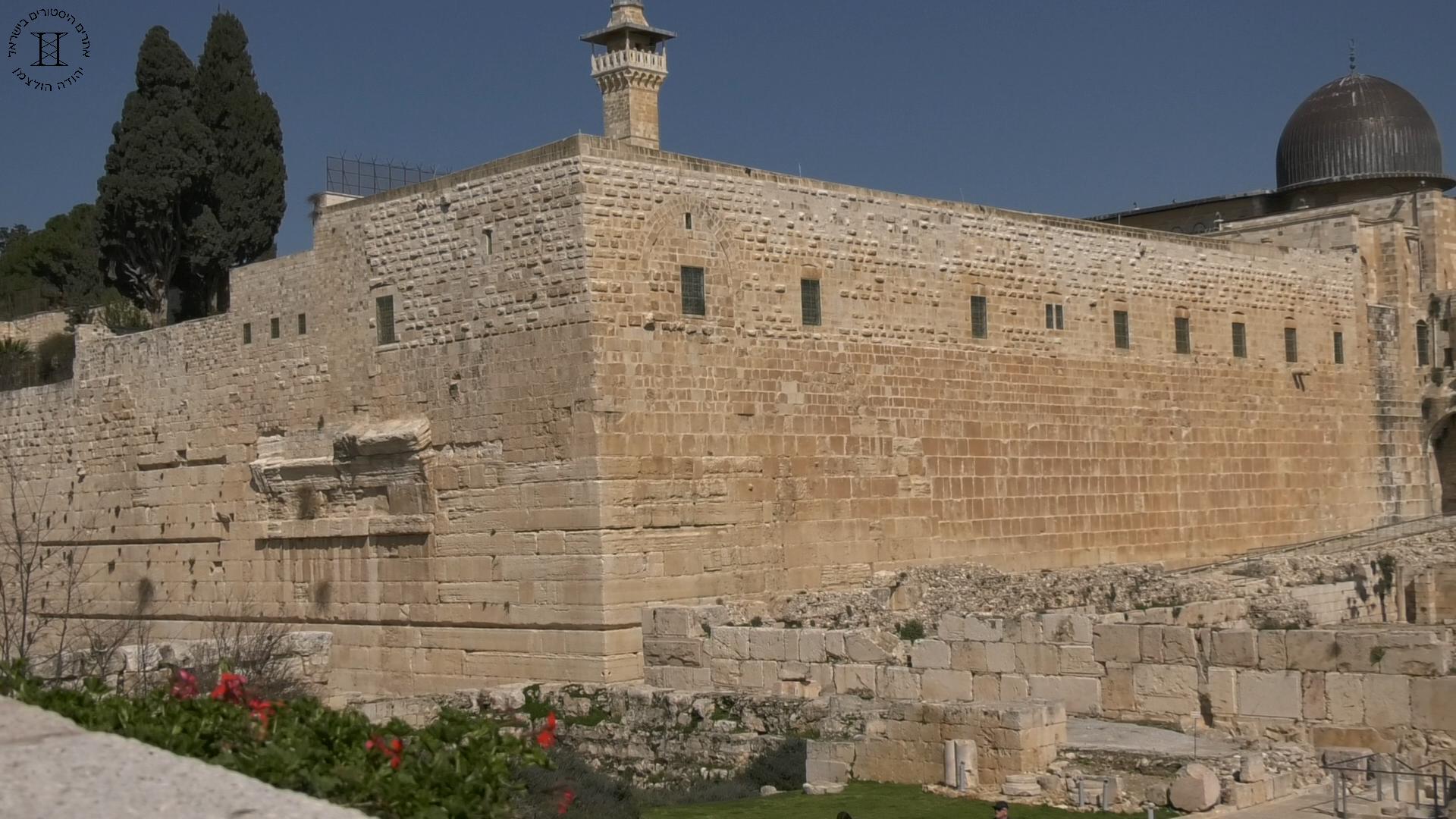 Archaeological Park – Davidson Center:
Southwestern corner of the Wall, Umayyad palaces, Robinson’s Arch.
An unforgettable walk through the southwestern corner of the Temple Mount wall, where one can relive the final moments of Jerusalem’s fall and the Temple’s destruction.
Robinson’s Arch: A monumental arch that was part of the western entrance to the Great Temple, with remnants of its staircase still visible. The remaining arch on the western wall marks the grand entrance discovered by archaeologist Edward Robinson.
The Wall Stones: As a tragic testimony, massive stones from the wall lie scattered. Use your imagination… close your eyes, you can still hear the chaos and cries of Jerusalem’s Jewish inhabitants as the wall collapsed and their lives devastated.
The Shofar Announcer’s House: This remarkable find, whose original is in the Israel Museum, was the place where the *tokea* (shofar player) announced the beginning of Shabbat, as indicated by its Hebrew inscription.
Umayyad Dynasty Palaces: After Muhammad’s death in 632 CE without heirs, his disciples and relatives continued his legacy. The death of the last Caliph, Ali, in 661 CE led to a split in succession. The Umayyad dynasty then rose to power. In 691 CE, Abd al-Malik built the Dome of the Rock, and his son al-Walid constructed the Al-Aqsa Mosque. During this period, four palaces were built here. In 750 CE, a major earthquake destroyed much of the complex.Mishnah: Sukkah 5:5
-
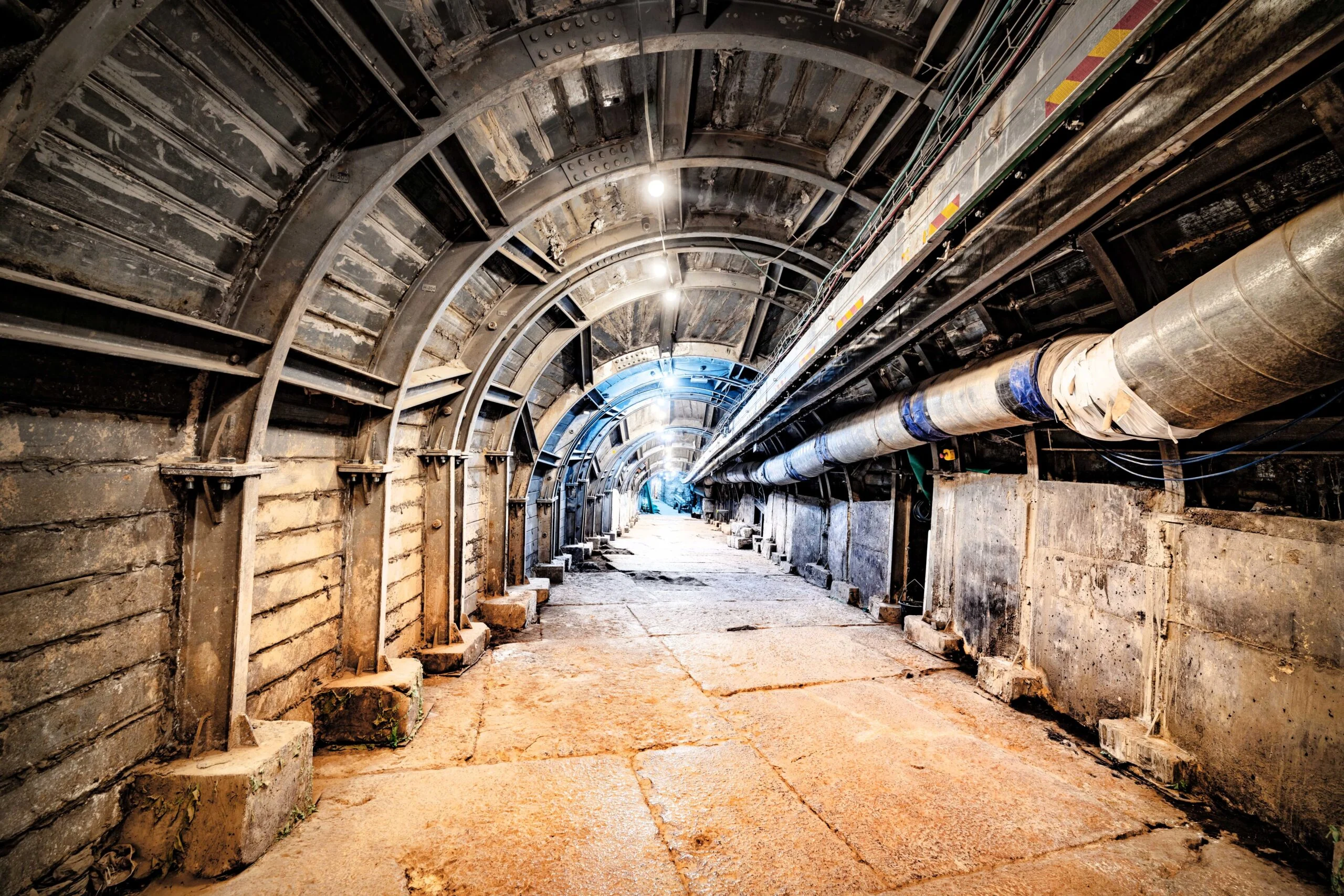 The Pilgrimage Road:
This 600-meter-long road connected the Pool of Siloam to the Temple Mount...
This 600-meter-long road connected the Pool of Siloam to the Temple Mount and was walked by thousands of pilgrims ascending to Jerusalem during the major Jewish festivals: Passover, Shavuot, and Sukkot. Likely built under the governance of the Roman procurator Pontius Pilate, this path was not only a physical route but also a spiritual journey. Along the way, archaeologists have uncovered coins, oil lamps, cooking utensils, and even a Roman sword, silent witnesses to a vibrant city and a people who, even under oppression, kept their divine connection alive. Beneath the pavement, a drainage channel served as a refuge for Jewish rebels during the Great Revolt against Rome. Today, walking this path is more than an archaeological visit, it’s an experience that connects the present with the living memory of Jerusalem.