-
History
The Nabataean people were nomads who, thanks to their unique knowledge of the vast desert, became wealthy by transporting spices and valuable goods across it. The historian Josephus Flavius, who lived and wrote chronicles in the 1st century CE, referred to them as “The Arabs”, although today’s Arab peoples do not appear to be directly related to this nomadic group.
This nomadic people followed sacred principles:
– Do not drink wine
– Do not plant fruit trees
– Do not sow crops
– Do not build houses
Historians believe these customs were rooted in the philosophy: “If you own nothing worth conquering, you cannot be conquered.”
By the end of the 1st century CE, things changed. The Romans saw the Nabataeans growing rich without paying taxes, prompting Emperor Trajan to offer them a deal—one that would ultimately lead to their downfall. The agreement allowed the Romans to build roads and houses for the Nabataeans, in exchange for taxes.
Trajan realized that to defend his empire, he needed the Nabataeans’ power, so he built cities along the route from Petra to Gaza. In the 3rd century CE, Emperor Diocletian unified these cities under the name “Limes” (military road).
With the rise of Christianity under Emperor Constantine in 324 CE, most Nabataean settlements converted to Christianity.
Later, with the arrival of Islam in 638 CE, they converted again.
After that, no trace or documentation remains of their fate. A people who vowed not to plant, drink wine, or build homes to avoid conquest—were conquered and vanished into history. -
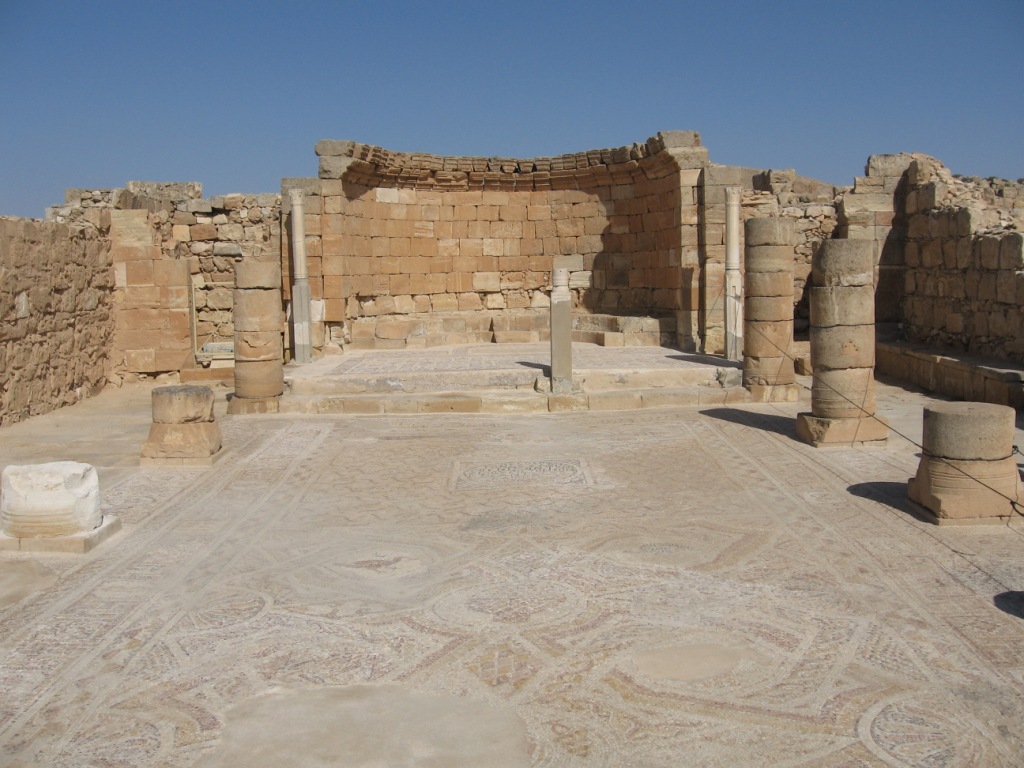 Mamshit National Park
Important Nabataean city on the Petra–Gaza route.
This city along the Incense Route was one of the most important built by the Nabataeans under Roman rule in 106 CE. Mamshit (ממשית in Hebrew) is recognized as a UNESCO World Heritage Site for being part of the Incense Route.
Like many Nabataean cities, Mamshit underwent changes that likely led to its decline. Roman elements such as bathhouses and homes with frescoes were found here. The city also contains two churches with baptisteries, indicating that the Nabataean population fully converted to Christianity during the Byzantine period beginning in 324 CE. -
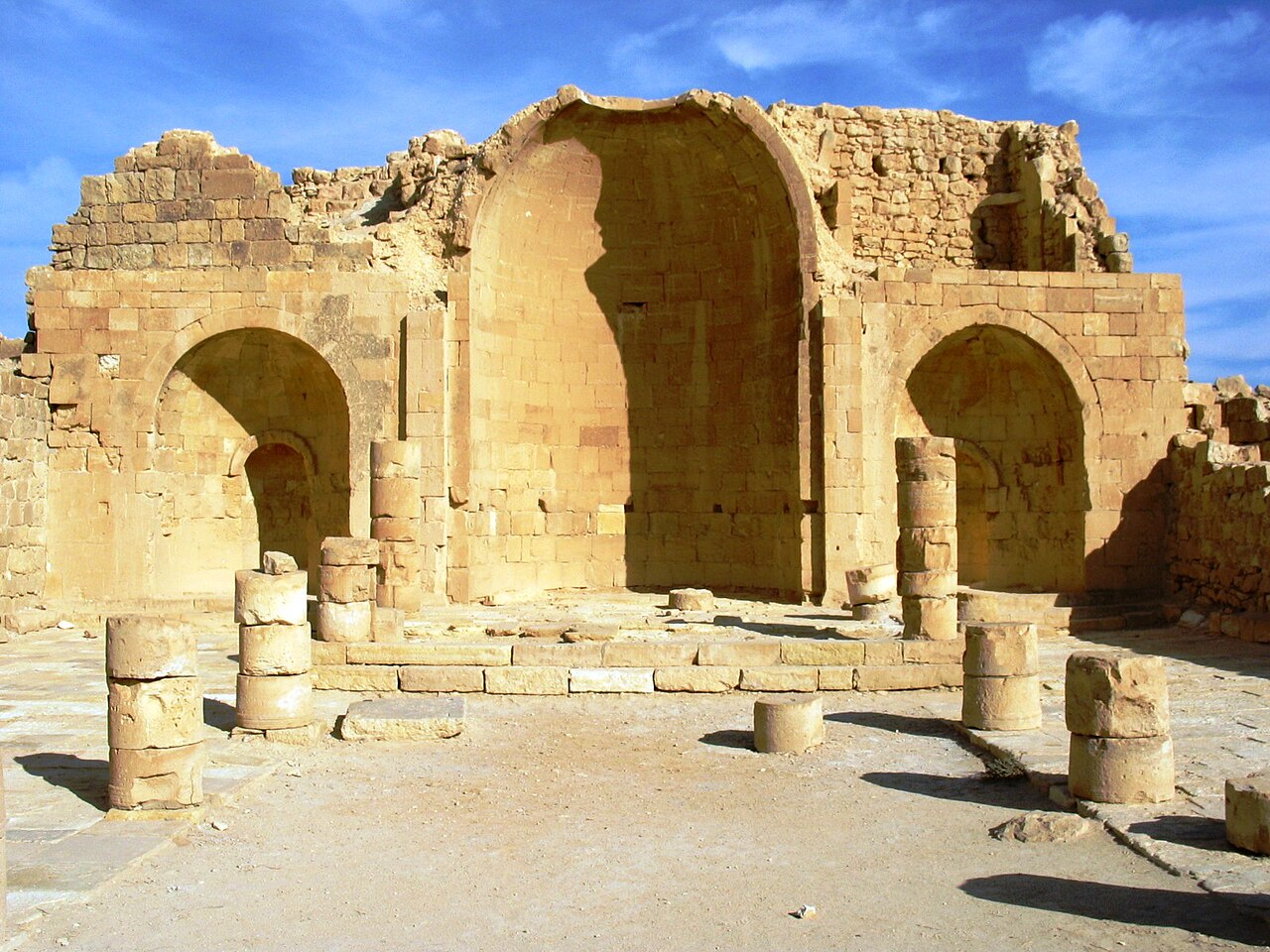 Shivta National Park
Nabataean city of Shivta along the Incense Route.
Like Mamshit, Shivta (שדטה in Hebrew) was an important Nabataean city. What makes it special is a painting found in the right apse of the southern church, depicting the miracle of Jesus’ transfiguration on Mount Tabor. Another church was converted into a mosque in the 7th century.
When entering the city, notice the windows and doors sealed with stones—evidence that the inhabitants left with the hope of one day returning.