-
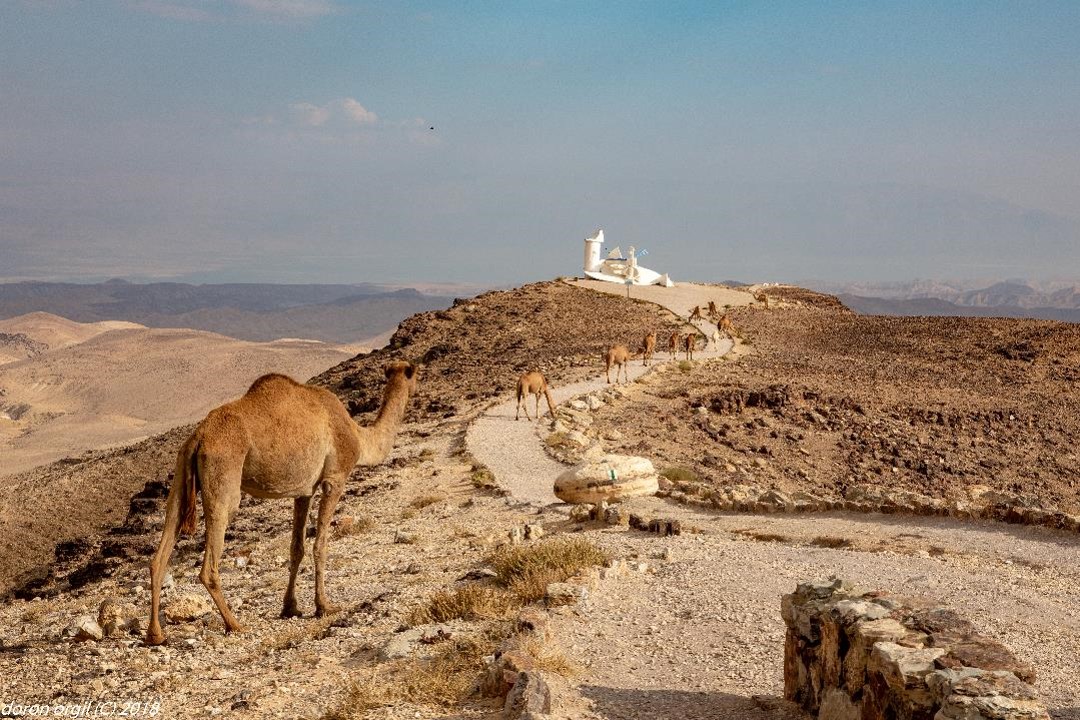 The Canaanite City
Walled city from the Copper Age (Chalcolithic period).
During the Chalcolithic period (Copper Age), this city was inhabited by the Canaanite people (כנענים – Cnaanim in Hebrew), thanks to its proximity to the Dead Sea. Archaeological findings here include materials extracted from the Dead Sea, which were likely traded with Egypt.
-
 House of Arad
House from the Early Bronze Age (33rd century BCE).
This partially reconstructed house shows foundations from the Early Bronze Age (Bronze Age is divided into Early, Middle, and Late) or possibly even earlier (Chalcolithic period). By studying its internal structure, archaeologists can reconstruct the lifestyle and customs of the people who lived here.
-
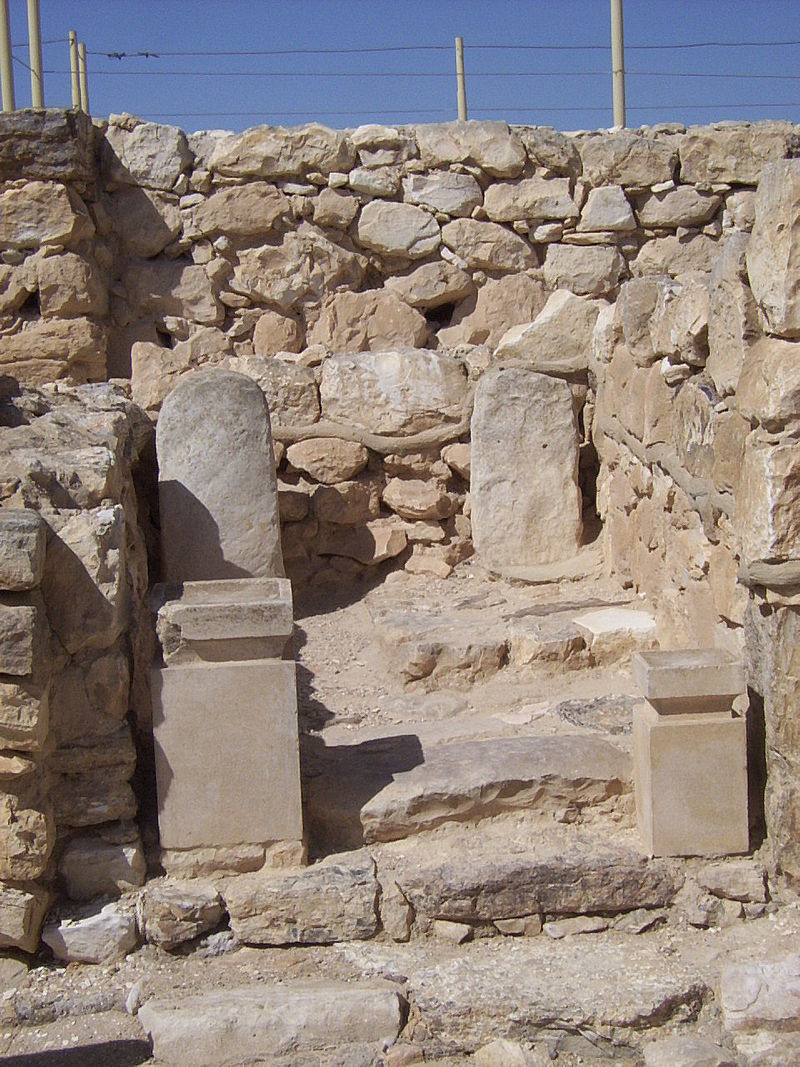 Temple of Arad
Holy of Holies of the Arad temple.
This remarkable archaeological find—whose original is housed in the Israel Museum—represents the sacred center of a Hebrew temple built during the Israelite period (Iron Age, 11th to 6th centuries BCE) in Arad. It shows that before King Hezekiah’s reform (חזקיהו – Hezkiahu in Hebrew) in the 8th century BCE, which banned the use of monuments to honor God and abolished the belief that the Hebrew God had a female consort, such practices existed. At the entrance, two incense altars were found, one containing traces of cannabis—possibly one for the Hebrew God and a smaller one for his consort. The entire temple was carefully buried in sand, suggesting it was intentionally sealed to prevent further use.