-
History
The Jewish settlers who arrived through the gates of Jaffa, as early as the mid-19th century, sought new places to build their homes. They built Neve Tzedek, on the border with Jaffa, and later reached these sandy dunes. In 1909, 66 families would divide plots to build their houses. The area was named Ahuzat Bayit (אחוזת בית = Home), after the name of the cooperative that financed the construction. It would later be called Tel Aviv (תל אביב = Hill of Spring), a name derived from the Hebrew translation of Theodor Herzl’s book *Altneuland* (The Old New Land), translated by Nahum Sokolov as Tel Aviv as is mentioned in the biblical prophecy of Ezekiel III .
-
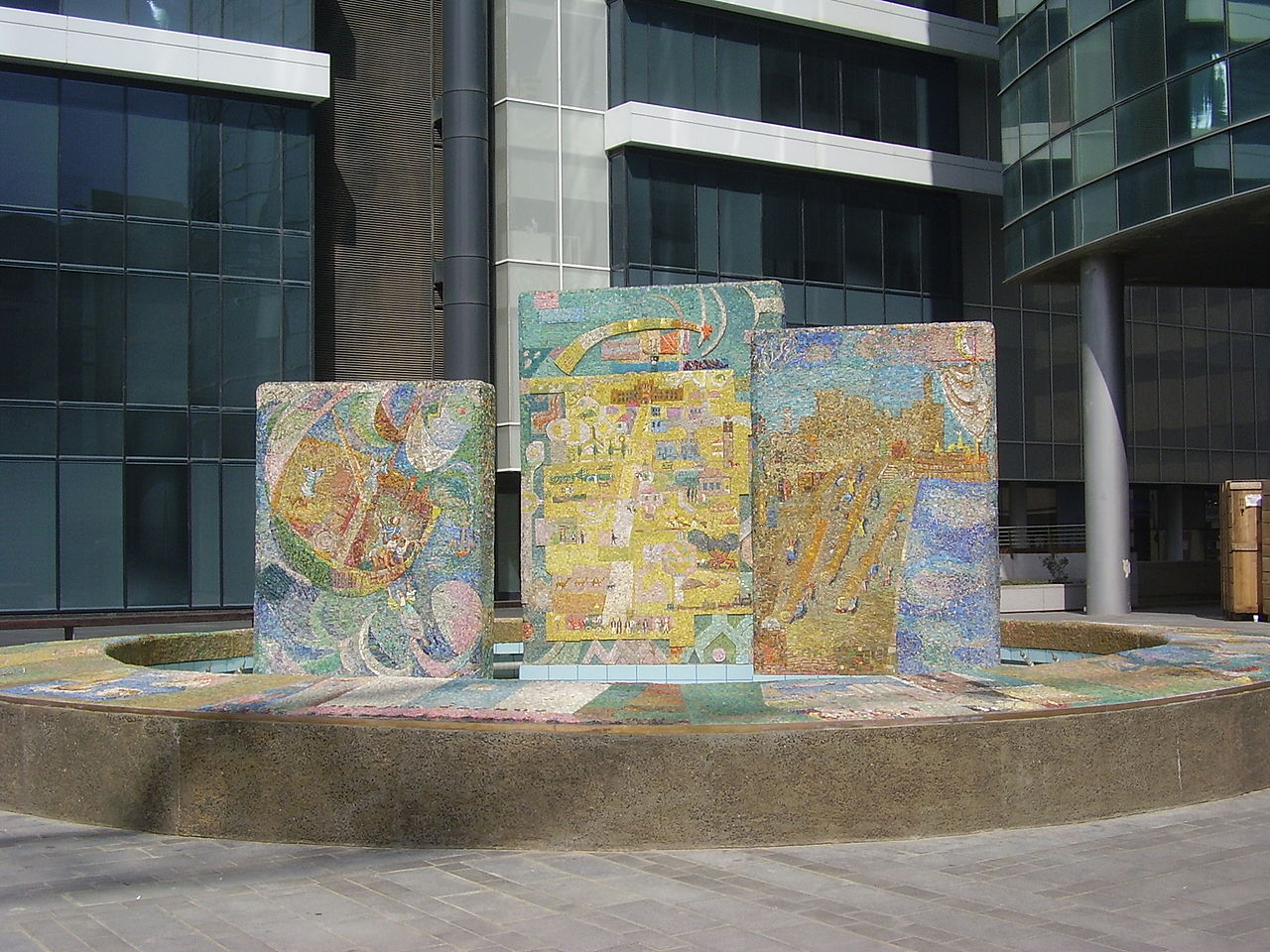 Nahum Gutman Fountain
The fountain was built in 1963.
Nahum Gutman is considered the artist of Tel Aviv. Through his vast body of work, including paintings, mosaics, and book illustrations, he expressed his deep love for the city.
-
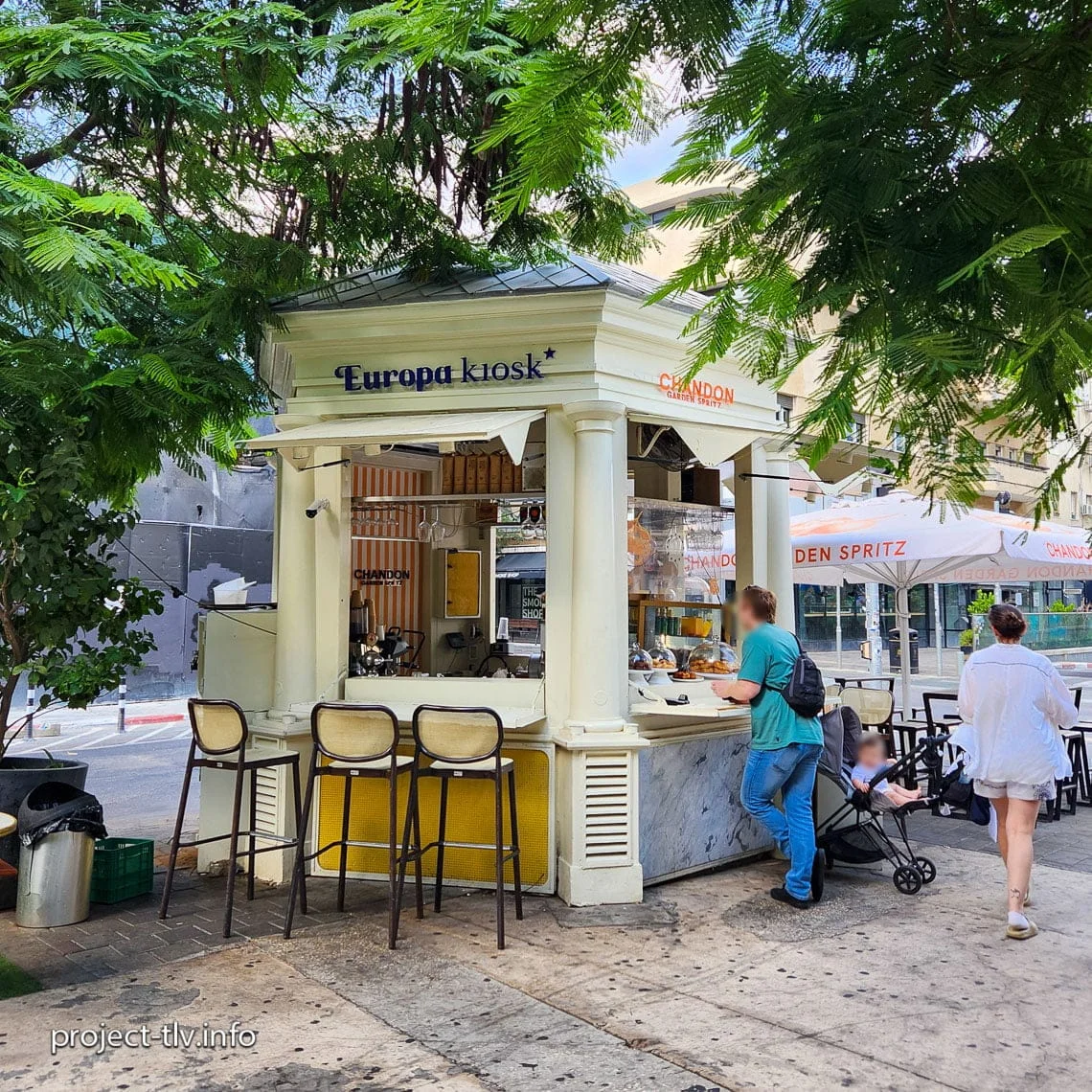 Tel Aviv’s First Kiosk
Built in 1910, one year after Tel Aviv was founded.
Can you imagine a modern city like Tel Aviv without kiosks? This was the first kiosk established in Tel Aviv in 1910, just one year after the city’s founding in 1909.
-
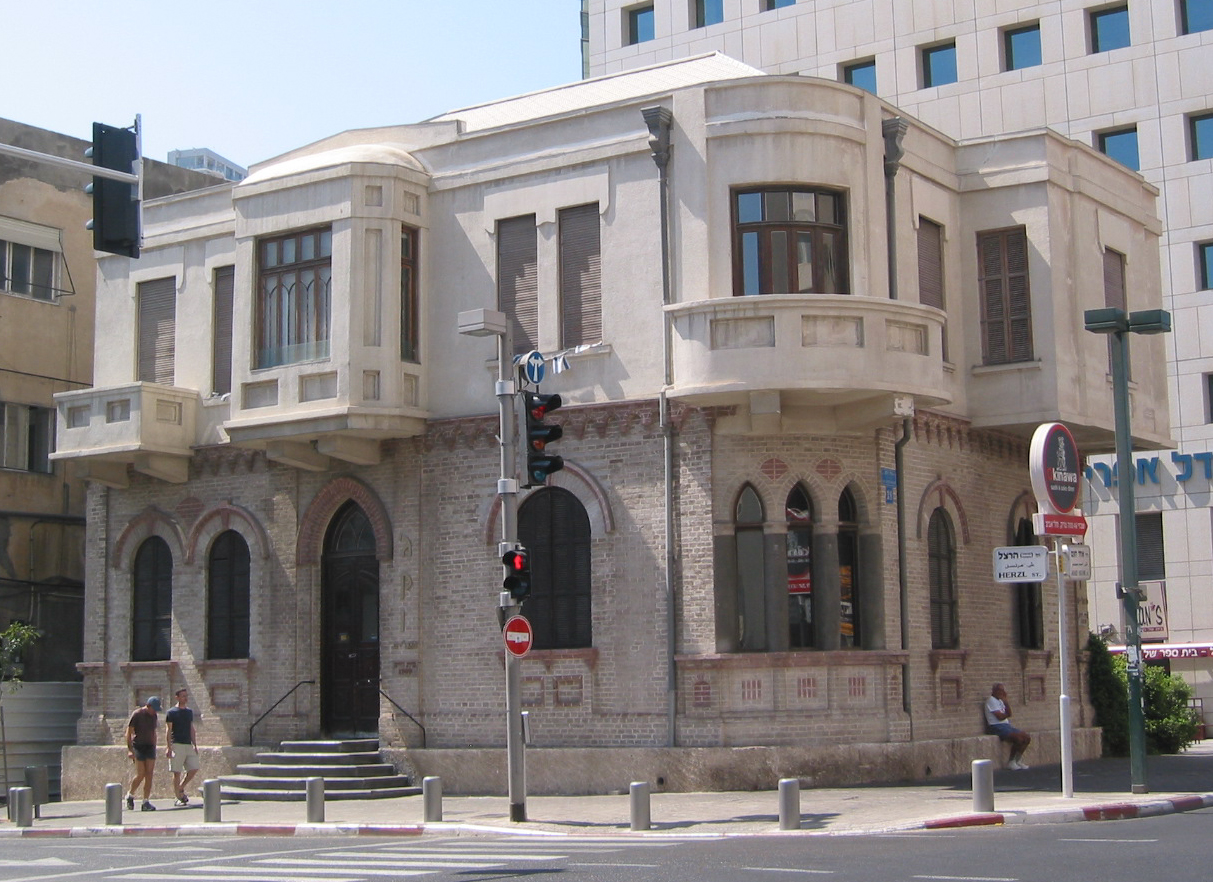 Akiva Arie Weiss House
Home of Akiva Arie Weiss, one of Tel Aviv’s founders.
Akiva Arie Weiss organized a lottery using seashells among 66 families to divide the land. The first name Tel Aviv received was Ahuzat Bayit.
-
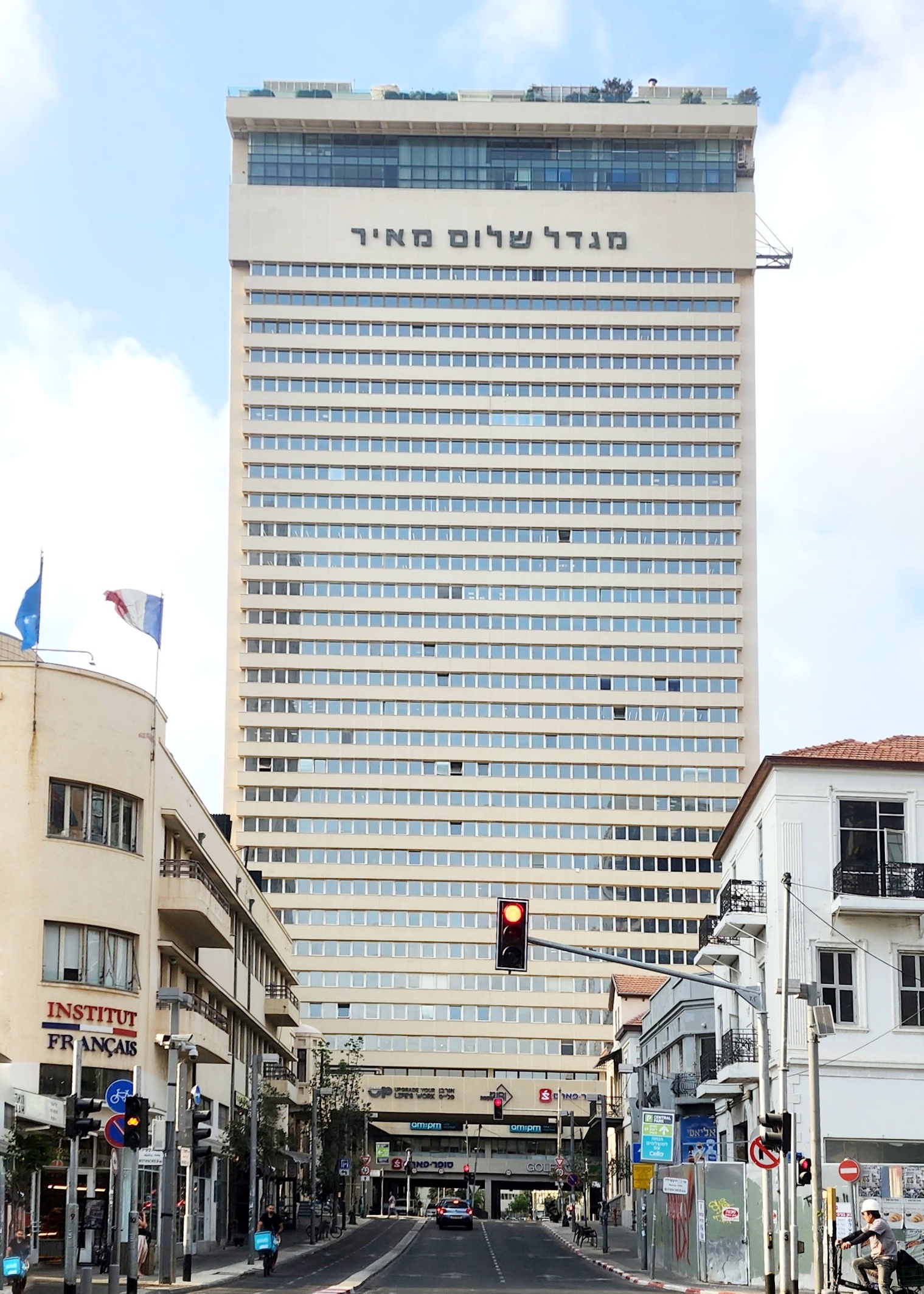 Shalom Tower
The first skyscraper built in the Middle East.
Founded in 1965 on the site of the former Herzliya Hebrew Gymnasium.
-
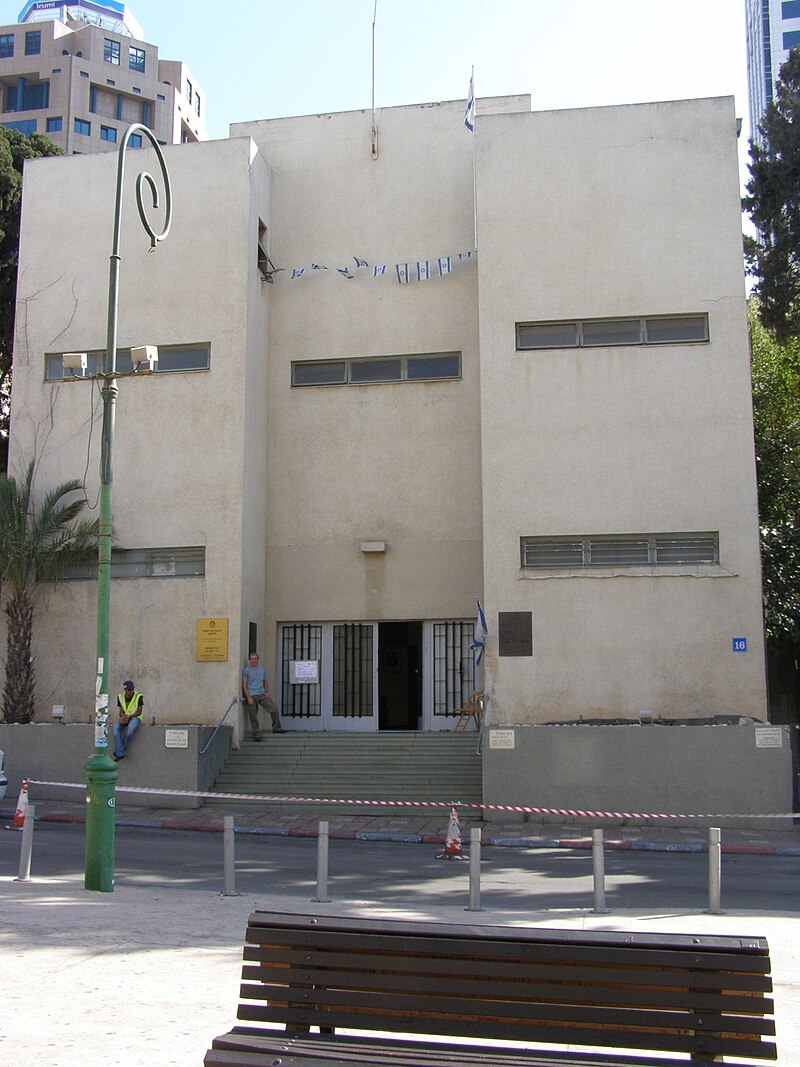 Independence Museum
House where Israel’s independence was declared in 1948.
This was the home of Meir Dizengoff, who was also Tel Aviv’s first mayor. Here, the declaration ceremony of Israel’s independence took place in 1948, led by the first Prime Minister, David Ben Gurion.